Anti-theft bag features explained
Locking zips, slash-resistant panels and straps, lock-down hardware and RFID-blocking pockets — what each one is, what the makers say it does, and what to check on a listing.
Checked 6 November 2026 against the sources listed at the end.
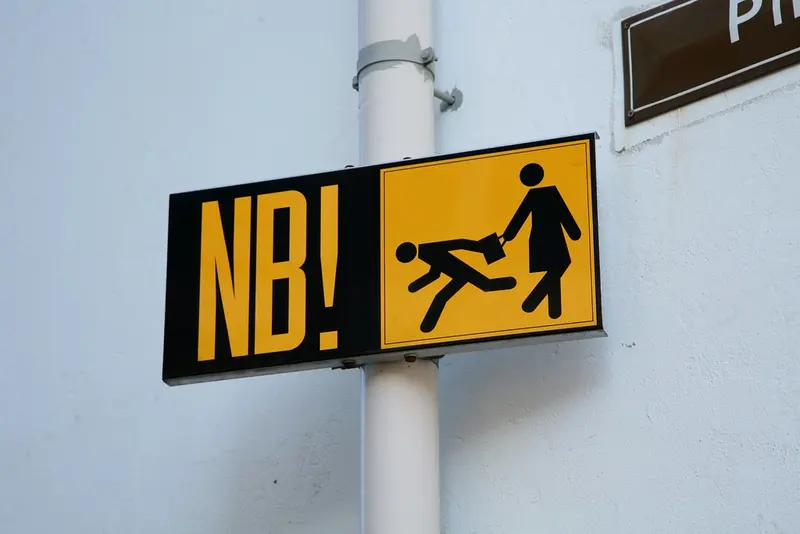
“Anti-theft” isn’t a standard with a test behind it — it is a description makers use for bags with extra security features. The features themselves are real and easy to check, though, so the useful question is: which features does this bag actually have? This guide explains the common ones using the makers’ own descriptions. We haven’t tested any of these bags ourselves.
Travelon, whose range includes many anti-theft bags, describes a “5-Point Anti-Theft Security System”. Its product pages list the five points as slash-resistant body panels, a slash-resistant strap, locking zip pulls, lock-to-chair hardware and RFID-blocking pockets. Other makers use different names for similar ideas.
1. Slash-resistant body panels
A thin barrier — Travelon describes “an embedded Mesh Barrier” — sits between the outer fabric and the lining, so the bag is harder to cut open with a blade. Travelon says the barrier is “hidden between the walls” of the bag, so you can’t see it. On its Classic Backpack, Travelon says the mesh lines all four sides and the base. Samsonite describes its Securipak backpacks as having “a cut resistant fabric layer”.
Check on the listing: which panels are protected. A bag with a protected front but an unprotected base is not the same as one that is lined all round.
2. Slash-resistant straps
A strap with something tougher inside it, so it can’t be cut quickly and the bag pulled away. Travelon describes “Slash-Resistant Straps with embedded stainless steel cables” and, on its Heritage range, “dual steel cable construction”.
Check on the listing: that the strap itself is protected, not just the body, and how it is fixed to the bag. Travelon’s Classic Backpack page says its padded straps “are secured at back panel”.
3. Locking zips and compartments
The zip pulls on the main compartment clip into a catch or ring, so they can’t be slid open quietly. Travelon’s Heritage page describes “Locking zipper pulls — lock to D-ring”. Some bags lock only the main compartment; others lock the front pocket too, like the Travelon Anti-Theft Classic Sling Bag.
Check on the listing: which pockets lock. Locking zips slow you down as well — you have to unclip them every time you want something.
4. Lock-down hardware
A strap or clip that lets you fasten the bag round a chair leg or a fixed object, so it can’t be grabbed from beside you at a café table. Travelon calls it “Lock-to-chair hardware — secures to any café chair or fixed object”.
5. RFID-blocking pockets
A pocket or slot lined with material that blocks radio signals, so the contactless chip in a card or passport can’t be read through it. Travelon says thieves “with hand-held and hidden scanners can pick up your card's signal simply by walking next to you”, and puts RFID-blocking slots in its bags. Samsonite says the RFID pocket on Securipak works “by placing RFID-blocking material between the product's outer layer and internal lining”. The Travelon Anti-Theft Metro Backpack has a removable RFID-blocking pouch as well as a pocket.
Check on the listing: whether the RFID protection is in one slot or across the whole bag or wallet. See RFID blocking explained.
Hidden pockets and other ideas
Samsonite’s Securipak range uses hidden pockets — openings against your back or at the sides that are hard to reach when you are wearing the bag. Water-resistant fabric, reflective details and laptop sleeves are useful too, but they are not security features.
Which shape?
- Cross-body bags and slings sit in front of or beside you. The Travelon Anti-Theft Classic Crossbody and Heritage Crossbody are small enough for a city day.
- Backpacks carry more but sit behind you, where you can’t see them. Laptop-sized ones such as the Samsonite Securipak 2.0 or the Travelon Metro are often used for commuting as well as travel.
- Neck pouches and money belts go under your clothes for the things you can’t replace — see travel organisers.
Keep expectations realistic
Makers describe what their features are designed to stop, and we haven’t tested any of them. Security features make a bag harder to get into or cut away; they don’t make theft impossible, so a security bag still needs to be zipped and kept close.
All our anti-theft bags list the features their makers name, with a link to the maker’s page.
Sources
- Travelon: Anti-Theft Heritage Crossbody (5-point security list) (checked 6 November 2026)
- Travelon: slash-resistant body (checked 6 November 2026)
- Travelon: slash-resistant straps (checked 6 November 2026)
- Travelon: RFID blocking (checked 6 November 2026)
- Travelon: Anti-Theft Metro Backpack (checked 6 November 2026)
- Samsonite UK: Securipak 2.0 Backpack 15.6" (checked 6 November 2026)
Checked 6 November 2026.