RFID blocking explained
What RFID-blocking wallets, sleeves and pockets are, what the makers say they protect against, and the practical differences between a blocking slot, a whole-wallet design and a card sleeve.
Checked 6 November 2026 against the sources listed at the end.
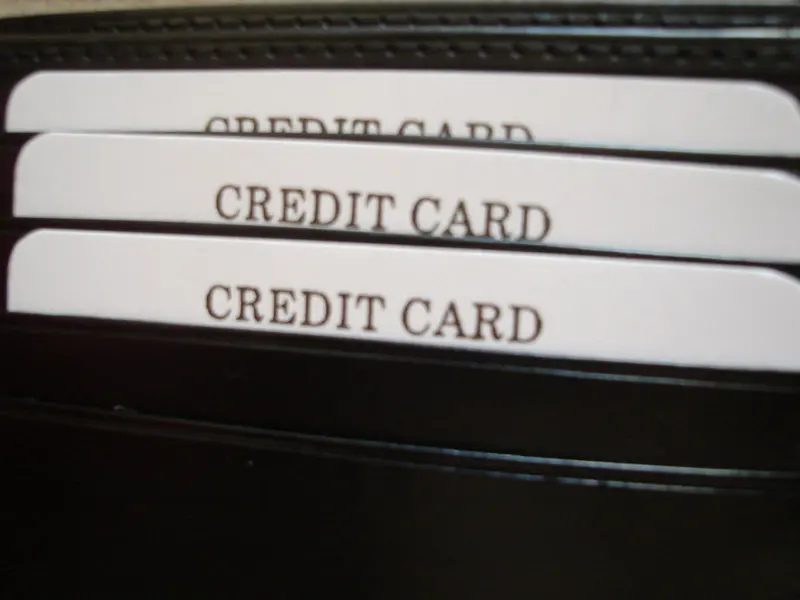
“RFID blocking” appears on wallets, passport covers, card sleeves and the pockets of many travel bags. This guide explains what it means using the makers’ own descriptions. We haven’t tested any of these products, and we don’t have independent figures on how common card “skimming” is — so we report what the makers say and let you decide whether it matters to you.
What RFID is
RFID stands for radio-frequency identification. Contactless bank cards, many ID cards and modern passports have a small chip and aerial that can be read by a reader held close to them — that’s how tapping to pay works.
What the makers say RFID blocking does
The idea is to surround the card or passport with material that radio signals can’t get through, so the chip can’t be read while it is inside.
- Travelon says thieves “with hand-held and hidden scanners can pick up your card's signal simply by walking next to you”, and that its RFID-blocking products stop that.
- Travelon’s card sleeves are made of an RFID-blocking “engineered paper”, and it says they shield “credit, debit, and ID cards from electronic fraud and unauthorized scanning”.
- Samsonite says the RFID pocket on its Securipak backpacks protects “against payment and identity fraud through skimming, by placing RFID-blocking material between the product's outer layer and internal lining”.
Three ways to do it
1. A blocking slot or pocket in a bag or wallet. Only what’s in that slot is shielded. Travelon’s Classic anti-theft bags have RFID-blocking card and passport slots, and the Travelon Anti-Theft Metro Backpack adds a removable RFID-blocking pouch.
2. A whole-wallet design. Travelon says its RFID Blocking Passport Zip Wallet shields the entire wallet — “Most ‘RFID wallets’ only protect certain slots—this one protects the whole wallet.” Samsonite’s Revolution Passport Cover is a leather cover with RFID protection and three card holders.
3. Card sleeves. A sleeve goes over one card, inside the wallet you already use. The Travelon set of 10 measures about 8.6 × 5.8 cm per sleeve.
The practical side
- Tapping to pay: a card that is shielded can’t be read by a shop’s reader either, so you’ll need to take it out of the sleeve or slot to pay. That’s the point — but it is worth knowing before you reach the front of a queue.
- It doesn’t stop the wallet being taken. RFID blocking is about the chip, not the wallet. For keeping the wallet itself safe, an under-clothes neck pouch — such as the Samsonite Revolution RFID Neck Pouch or Travelon’s undergarment neck pouch, both with RFID-blocking pockets — keeps it out of sight.
- Passports at the border: border staff may ask you to take your passport out of its cover.
Where you’ll find it in this guide
RFID blocking turns up in more places than wallets. From the makers’ pages:
- Bags with RFID-blocking slots or pockets: the Travelon Anti-Theft Classic Messenger (card and passport slots in the rear zip pocket), the Classic Crossbody and Classic Sling, the Heritage Crossbody (a zip pocket), and the Samsonite Securipak 2.0 (the top pocket).
- A holdall: the Travelon Transit Carry-on Weekender has an RFID-blocking zip pocket inside the main compartment.
- Under-clothes pouches: both neck pouches mentioned above.
If you already have a bag with a blocking pocket, you may not need a separate RFID wallet as well — it depends on whether you’ll keep your cards in that pocket.
What to look for on a listing
- Whether the maker says the whole item blocks RFID or only certain slots.
- Room for the things you’ll actually carry — Travelon’s passport wallet, for example, lists four card slots, an ID window, two currency pockets, a coin pocket and space for most phones.
- Care instructions: Travelon has a help page on cleaning RFID-blocking wallets and passport cases.
Browse all RFID wallets.
Sources
- Travelon: RFID blocking (checked 6 November 2026)
- Travelon: RFID Blocking Passport Zip Wallet (checked 6 November 2026)
- Travelon: Set of 10 RFID Blocking Card Sleeves (checked 6 November 2026)
- Samsonite UK: Securipak 2.0 Backpack 15.6" (checked 6 November 2026)
- Samsonite UK: Revolution Passport Cover (checked 6 November 2026)
- Samsonite UK: Revolution RFID Neck Pouch (checked 6 November 2026)
Checked 6 November 2026.